
Published: February 8, 2024 / Updated undefined ago
Malaysia – Driven by digital evolution
Undeterred by the challenges that have slowed other economies in recent years, Malaysia has thrived – in large part due to its early adoption of cutting-edge technologies and innovative business models that drive broader growth.
The nation has long enjoyed a business-beneficial geographical location, abundant natural resources and a skilled workforce, but a willingness to embrace opportunities in the rapidly evolving digital space combined with generous government support have now turned Malaysia into a regional powerhouse.
The digital economy is one of the fastest growing sectors in Malaysia, the recipient of an impressive $15.7 billion of investment in the third quarter of 2022 alone.
The foundations of this growth were laid in 2021 with the unveiling of the Malaysia Digital Economy Blueprint and the establishment of the Digital Investment Office, charged with smoothing the way for more investment in the digital economy. The aim is to attract $16.1 billion in digital investment by 2025 and for the sector to contribute to more than 22.5 percent of GDP.
Malaysia’s digital evolution encompasses everything from robotics to artificial intelligence, the internet of things, cloud technology, blockchain and cybersecurity – but one area that Malaysia has truly excelled is in hyperscale data centres.
Bridge Date Centres – A hyperscale opportunity
Singapore-headquartered Bridge Data Centers opened the first phase of its newest facility in Sedenak, Johor, on October 20 2022. When completed, the hyperscale MY06 data center will have a capacity of 110MW – and underline the company’s commitment to Malaysia.

“We are delighted to have embarked on this expansion journey in Malaysia, which is witnessing an accelerated demand for scalable and high-quality data center providers due to digital transformation and cloud adoption across the country,” said BDC President Lim DZ Shing.
The benefits of expanding the company’s footprint in Malaysia are numerous and varied, he said, ranging from its diverse locations, a robust fiber network, sophisticated telecommunications connectivity with multiple carriers, a high national Internet penetration, as well as ready access to power and water supplies.
Close collaboration with state and national governments, along with Malaysia’s specialist digital investment organizations, smoothed the company’s way – and enabled the completion of the facility in a remarkable 314 days.
MY06 also provides added impetus to Malaysia’s digital economy ambitions, creating new employment opportunities in the expanding high-tech sector and encouraging knowledge-transfer and shared experience in problem-solving, design and development of data centers.
The new facility also incorporates a number of innovative design features, including state-of-the-art cooling technology and sustainable construction methods, reducing the plant’s carbon footprint.
“The Malaysian government’s vision for the digital economy has played a very important decision in BDC’s decision to invest in Malaysia,” said President Shing. “The rising adoption of smart devices and the growing demand for IoT technologies and big data analytics has attracted global cloud service providers to Malaysia and generated business opportunities for Bridge Data Centers.”
YTL Power International Berhad – Flagship facility
The state-of-the-art YTL Power International Berhad data centre is due to be completed in Kulai, Johor, in the first quarter of 2024 – and will serve as the company’s flagship facility for the region.

The 500MW Green Data Center Park will be a Tier III-certified facility, with best-in-class green power and connectivity, says Dato’ Yeoh Seok Hong, managing director of YTL Power. And the project would not have been possible without Malaysia’s vision for the digital future.
“The federal government’s recognition and support for this strategic investment project enhances YTL Power’s competitiveness in the region,” he said.
“This has resulted in a supportive and facilitative business environment which bolsters its ability to continue to attract dynamic, renowned technology companies to invest in Malaysia and see it as a focus for regional growth,” Yeoh said.
The plant will be the first in the region to be powered by solar energy, in line with the company’s philosophy on sustainability, while it also taps into Malaysia’s ambitious plans for an increasingly connected nation through digital infrastructure. The location of the facility will also promote local businesses and employment.
And YTL Power is confident that the Green Data Center Park will lead to more “exciting” opportunities.
“It will be the flagship of our integrated data center vision to serve our customers in the wider Singapore region, and a catalyst for our regional expansion in this space,” Yeoh said.
Malaysia – A growing data centre hub
Malaysia has one of the most developed data centre markets in Southeast Asia, with market analyst organisation Arizton estimating the value at $1.06 billion in 2021. That figure is expected to grow rapidly in the near future, rising to $1.57 billion by 2027.
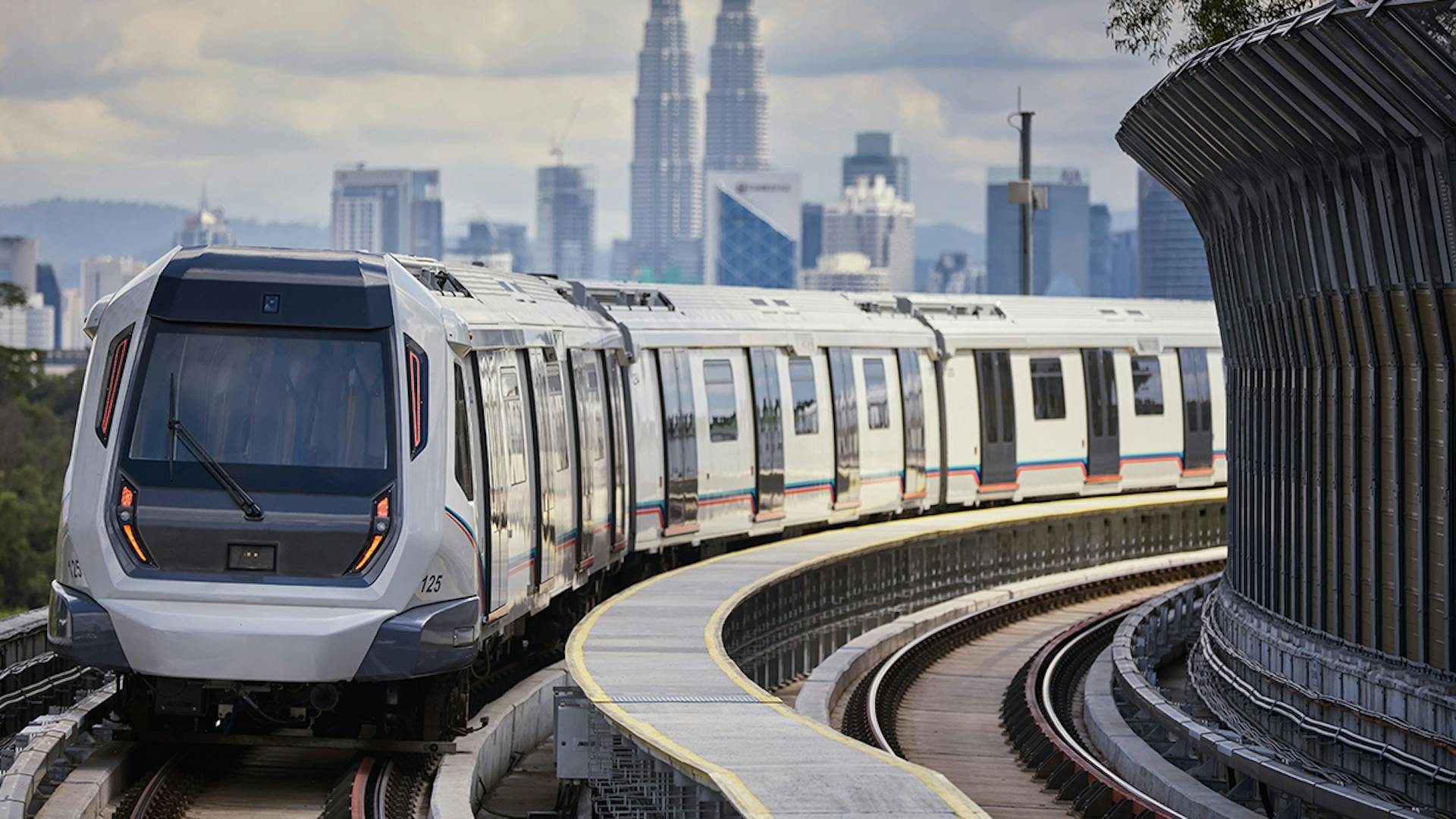
Demand for hyperscale facilities is booming as it is being further facilitated by strong investment in a range of other tech areas, including the communication network infrastructure as the nation transitions to 5G. This upgrading of the network is critical and is driving demand for hyperscale facilities as social media, smartphones, websites, computer data and an array of cloud and enterprise applications generate ever-increasing amounts of data, utilising different formats and protocols.
Key to developments to date - and more to come in the future - is the support of the government sector, with the Malaysian Investment Development Authority (MIDA) at the forefront of strategies to attract quality investments, harness the vast possibilities opened up by the digital revolution and leverage technology to navigate the challenges ahead.
Set up in April 2021, the Digital Investment Office (DIO) is charged with facilitating digital investments, as well as elevating a broad range of industries through digital technology development and adoption. Ultimately, the initiative will increase opportunities for support services, skilled jobs and increase upskilling for local businesses.
“Malaysia’s economy has shown incredible resilience as we navigated uncertainty and changes brought about by the pandemic through the adoption of digital upgrades,” said Datuk Wira Arham Abdul Rahman, CEO of MIDA.
“The ability to seize opportunities emerging from innovative technologies and business models plays an important role in driving new engines of the country’s economic growth,” he said.
Malaysia already has a reputation as a “rising star” of the global data center sector, Datuk Wira Arham pointed out, but it will not rest on its laurels and is committed to achieving more.
“Moving forward, in tandem with the advancement of technology and to address the digital divide among Malaysians, MIDA will continue to intensify efforts to attract quality digital investments while creating more value and opportunities for growth using data and Cloud-based technologies,” he added.
Malaysia as a new technology partner
As the world becomes increasingly powered by technology and innovation, investors need a reliable partner with a track record of achievement and forward-thinking approaches.

Malaysia has a well-deserved reputation as the preferred choice for regional and global businesses, with more than $28 billion in approved FDI in the first nine months of 2022, up 15 percent on the same period in the previous year. Much of that investment is in the digital sphere, turning the country into a hub that brings together every element of our shared technological future.
And the nation, its companies and investors intend to build on the momentum they have already generated to forge an increasingly dynamic digital sector.