
Published: June 20, 2023 / Updated undefined ago
Malaysia’s renewable energy transition
Some of Arham Abdul Rahman’s happiest childhood memories are of beach trips with his family or picnics along one of the rivers that criss-crossed the unspoiled rural idyll of Perak, in north-west Malaysia. Revisiting those same places in subsequent years left a very different impression.
“At that time, the overwhelming sense was of excitement,” he said. “Later, the sight of trash scattered along the shore or the riverbanks dampened that experience. The deep and vibrant river that flowed close to my home became shallow and murky due to increased logging activity.
“These changes made me understand the critical importance of halting environmental degradation and climate change,” he said.
Arham joined the Malaysian Investment Development Authority (MIDA) in 1989, in part out of a desire to balance the needs of industry with the necessity of protecting the nation’s priceless natural assets. Now, more than three decades later and with the honorary title of Datuk Wira, Arham is just as committed to ensuring that corporations can co-exist with mother nature.
A critical element of that are renewable energies, an area in which Malaysia is blessed with an enviable geography and the required knowledge and skills.

Win-win green energy
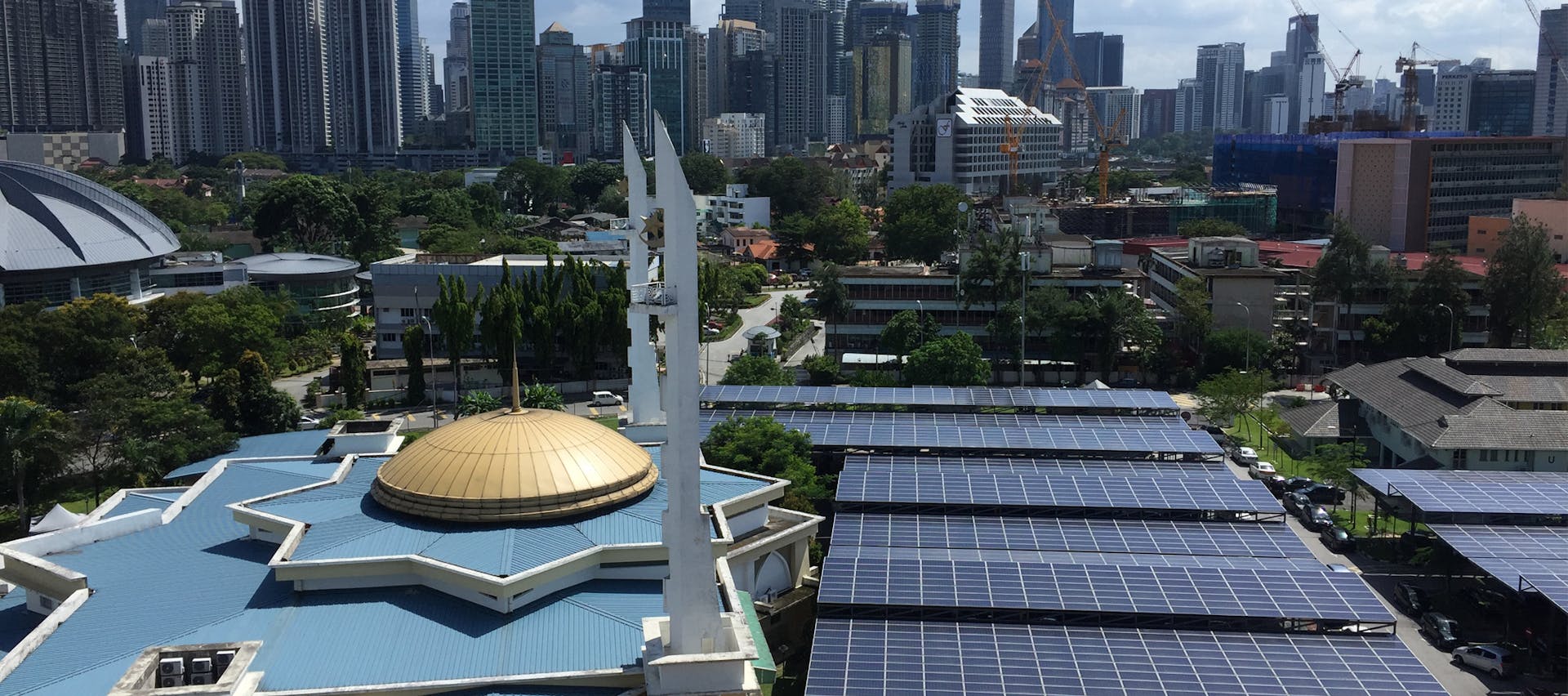
Sunlight is available year-round in Malaysia and ground-mounted, rooftop and floating solar systems that have the largest potential of 269 gigawatts for solar PV. Large and small hydro plants also contribute to the mix with potential 13.6 gigawatts and 2.5 gigawatts respectively from the 189 rivers basin available in Malaysia, along with bioenergy of 3.6 gigawatts from agriculture, animal and municipal waste, while geothermal adds a further 229MW annually.
Under the Malaysia Renewable Energy Roadmap (MyRER), the government has set an ambitious target of renewable energy providing 31 percent (13 gigawatts) of the nation’s energy needs by 2025 and 40 percent (18 gigawatts) by 2035. The Government has further committed to increase RE capacity to 70% in 2050, to be in line with the national climate aspiration of achieving net zero GHG earliest by 2050.
A raft of green technology incentives has been introduced in recent years to support initiatives that include environment-friendly energy generation as well as conservation and improved efficiency efforts. These have been extended to incentives for companies that undertake solar leasing.
Under the government’s Green Investment Tax Allowance, companies are granted allowances for adopting renewable energies in their operations, upgrading their energy efficiency, constructing “green buildings” or undertaking integrated waste management projects.
Similarly, Green Income Tax Exemption offers generous cuts for companies providing relevant services related to green technology activities that are renewable energies, electric vehicles services, improves energy efficiency or implements service measures that protect the environment such as verification and certification of green products, equipment and buildings, MIDA is working tirelessly to communicate the green energy opportunities to foreign companies. The goal, says Arham, is to produce sustainable, long-term investments and to collaborate with partners who put priority on “impact investment.”
“The government is enhancing its investment focus on green growth areas, such as hydrogen technology, bio-energy and electric mobility, which will act as both enablers of green adoption and future economic engines,” he said.
For Malaysia, road, aviation and maritime transport are the second most significant contributors to greenhouse gas emissions, accounting for fully 20 percent of the total, and are therefore a primary target for reduction efforts. Across the mobility spectrum, the shift that is under way to renewable energy sources and electric transportation underlines just what is possible, Arham said.
And with the rest of the world similarly embracing environment-friendly energy sources, Malaysia is building up a repository of knowledge and a workforce that is skilled in rapidly evolving technologies. And in a virtuous circle, that attracts more foreign companies that share a commitment to preserving the environment.
“Personally speaking, while our role here at MIDA is to attract quality and sustainable investments for the growth of the nation, it is important to ensure that does not come at the expense of climate change,” said Arham. “We have to take care of mother nature for the generations that are yet to come.”
Sarawak spearheads the drive for clean, renewable energy
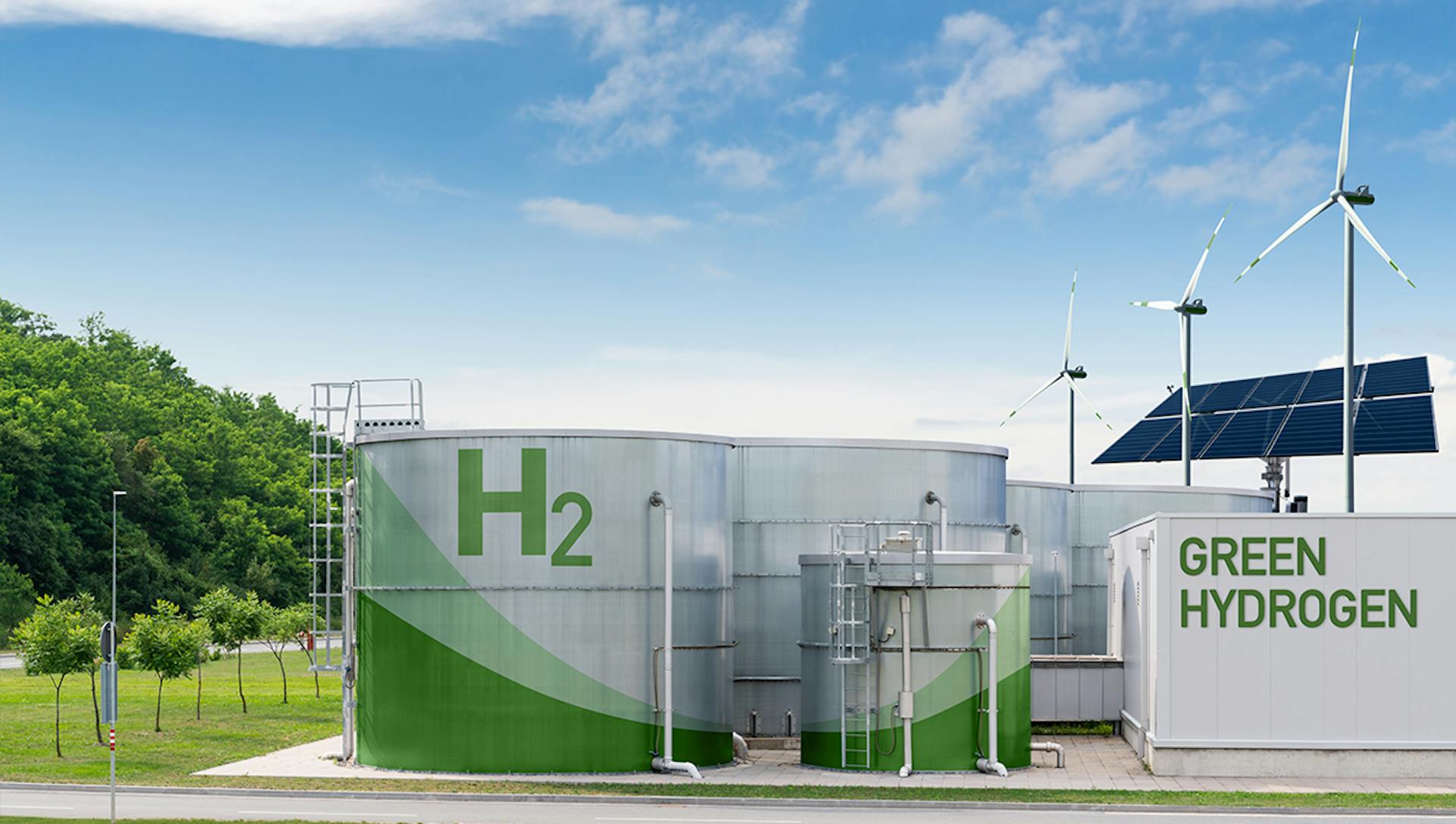
Malaysia has been selected as the location for two international projects that are ground-breaking in their scale and the source of the energy being used to generate low-carbon “green hydrogen.”
Project H2ornbill is a collaboration between three Japanese companies with a feasibility study under way for the production and conversion of green hydrogen into methylcyclohexane (MCH) for export to Japan. Project H2biscus is an alliance with a consortium of South Korean firms to export to Korea blue and green ammonia generated from a hybrid of blue and green hydrogen in Sarawak.
“Multiple factors make Sarawak the ideal location for these green hydrogen projects,” said Robert Hardin, Chief Executive Officer, SEDC Energy Sdn. Bhd. “Sarawak has a substantial amount of installed hydropower dams with a number of other potential hydroelectric dams that can be developed.”
Hydroelectric power is a stable source of energy, while the ready availability of water resources throughout the year and Sarawak’s strategic geographical location - relatively close to the growing markets in South Korea and Japan - made the state, “the ideal location for such projects,” Robert Hardin said.
“Both our projects will contribute directly in providing a solution to curbing climate change and in supporting Sarawak’s vision as part of a global solution in the fight against climate change,” he added.
The assistance of MIDA was also a contributing factor to the decision to select Sarawak for projects that may evolve into one of the largest green hydrogen facilities in the world, capable of producing more than 300 kilo-tonnes per annum of green hydrogen.
Governments in general need to be more proactive in support for green energy projects, said Robert Hardin and clear and supportive regulation and policies along with greater access to financing and investment would go a long way to encouraging the growth of the sector, yet he remains optimistic that such changes are in the pipeline.
“While specific actions are still being developed and may require further study, Malaysia has shown commitment through initiatives such as its green tax incentives and expanding support to cover not only photovoltaic projects but also green hydrogen projects,” he said.
“The outlook for renewable energies in Malaysia is gaining as the country acknowledges the importance of transitioning to a sustainable energy future,” he added.
Act now to protect the future
Malaysia is making significant strides in developing its renewable energy sector and fostering sustainable investments, all part of the roadmap to establishing the nation as one of the leading destinations for research and global services.
Government policies reflect the growing commitment to meeting – and even surpassing – Environmental, Social and Governance goals and sustainability targets across all sectors of the economy.
To Datuk Arham, this is personal.
“My personal aim, after more than 30 years at MIDA, is to guide this organization to proactively re-evaluate Malaysia’s industrial policies to tackle the pressing socio-economic issues that we face, with sustainability high up on that list.
“Preserving our planet requires a collective effort,” he said. “By recognizing the importance of our actions and promoting sustainable practices, we can inspire others to join us in our commitment to environmental stewardship.”